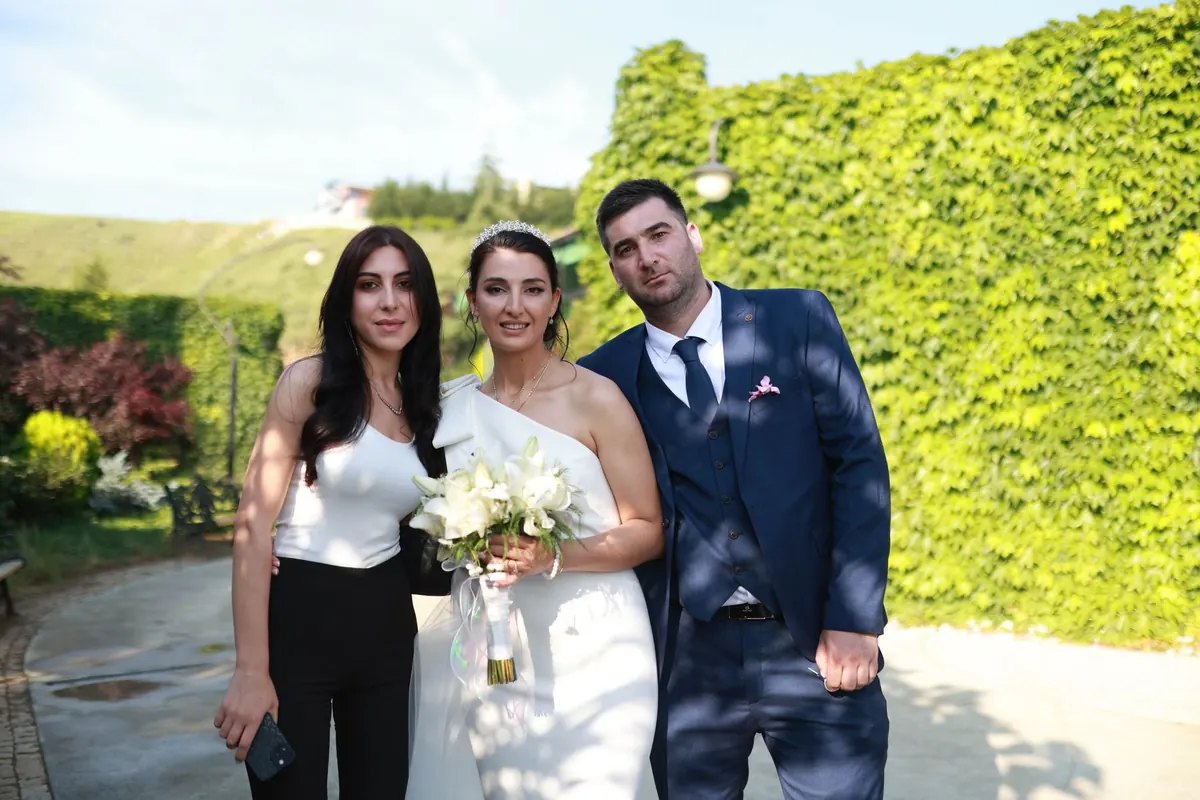
A wedding invitation tells you the date, the venue and the time. It almost never tells you what to wear, which is why so many women end up staring into a wardrobe two hours before the ceremony. A guest outfit is not a guessing game, though. It comes down to a few decisions — dress code, colour, silhouette, shoes — and once you work through them in order, the rest falls into place.
Start With the Invitation, Not the Shops
Read the invitation twice. The first pass is for the practical details: date, time, and whether the ceremony and reception are in the same place. The second is for clues about formality. A 4 p.m. ceremony in a hotel ballroom with an evening reception reads dressier than an 11 a.m. garden ceremony followed by lunch. An outdoor venue in July asks for breathable fabric and shoes that survive grass; a city hotel in December asks for something warmer and slightly more polished.
If the ceremony is in a church or another place of worship, check whether shoulders and knees need to be covered. Couples often note this on their website or a details card. If they haven't, it is entirely fine to ask. Ceremony photos end up on walls for decades, and a guest who looks comfortable and appropriate always looks better than one who is overdressed or underdressed.
Translate the Dress Code
Dress code wording is not a secret language, but it is inconsistent between venues, regions and generations. Use this as a rough guide:
- Black tie — floor-length gown or a very polished midi in a rich fabric. Leave the cotton sundresses and casual sandals at home.
- Black tie optional — the same spirit, softened. A long dress or an elevated cocktail dress both work.
- Cocktail — knee to midi length, dressier fabric, heels or elegant flats. This is the most common code and the easiest to dress for.
- Semi-formal or dressy casual — a midi dress, tailored jumpsuit or well-cut separates. Think a nice dinner, not a nightclub.
- Garden party or beach formal — lighter fabrics, colour, and shoes that won't sink. "Formal" here refers to the effort, not the length.
If the invitation says nothing at all, match the venue and the time of day. Daytime leans lighter and simpler, evening leans darker and dressier. When you are genuinely torn between two options, the more polished one is almost always the safer choice.
Colours to Avoid
White is the obvious one, but the list around it is longer than most people expect. Ivory, cream, champagne, pale blush and white-based floral prints all read as bridal in photographs, especially in bright outdoor light. The test is simple: if a dress could be mistaken for a wedding dress in a photo, leave it on the rack.
If you have to ask whether something reads as white in photos, it probably does.
Two other colours deserve a quick thought. First, the bridesmaids' colour, if you know it — matching the wedding party means being asked to step out of group shots all day. Second, black. It is completely acceptable at most modern weddings, particularly in the evening, but at a daytime summer celebration a deep green, navy or plum tends to feel more in place.
Beyond colour, avoid anything that competes for attention: enormous logos, novelty prints, or an outfit that reads as a costume. You are there to celebrate, not to be the second focal point of the room.
Fit and Silhouette: Questions That Actually Matter
Ask yourself three things about any dress before you commit. Can you sit down without holding your breath? Can you raise your arms? Can you climb stairs without lifting the hem?
Guests spend far more time sitting, standing and moving than they expect — ceremony, cocktails, a seated dinner, then dancing. A wrap dress, a fit-and-flare, a lined slip dress with a light jacket, or a tailored jumpsuit all pass those tests. Anything that needs constant adjusting will make a long day feel longer. Also check the seating: low chairs and tight skirts are a bad combination, and long hems on gravel paths are worse.
Shoes: The Part Most Guests Get Wrong
Wedding shoes are not party shoes. You may be on your feet for six to ten hours, on grass, gravel, cobblestone, polished marble and a dance floor. A block heel, wedge or low kitten heel handles all of those better than a narrow stiletto, and a dressy flat or an elegant sandal with good arch support is a legitimate choice, not a compromise.
Practical shoe advice
- Break new shoes in at home over two or three days, not on the morning of the wedding.
- Add gel insoles or heel grips before you need them, not after your feet hurt.
- Carry folding flats in your bag for the journey home and the last hour of dancing.
- Match your shoes to the dress or to your bag — either reads as deliberate.
- If you have foot, knee or back concerns, choose comfort first and treat it as a style decision. For persistent pain, speak to a podiatrist or doctor rather than pushing through.
Details, Layers and the Small Things
A light wrap, pashmina or tailored jacket solves most evening temperature problems and adds polish at the same time. Keep your bag small enough to hold a phone, a lipstick and a key, and skip anything with loud hardware that will rattle during a quiet ceremony. Jewellery should not jingle when you hug people — and you will hug a lot of people. A small pouch with spare tights, a stain pen, blister plasters and safety pins will rescue more than one outfit over the course of a day.
The Week-Before Try-On
Do a full run-through at home a week ahead, with the actual outfit, shoes, underwear and bag. Then work through this list:
- Try everything on together, including the shoes, and walk around for ten minutes.
- Sit down, cross your legs, stand up and reach overhead in the dress.
- Check the hem against your tallest heels and your flattest shoes.
- Photograph yourself in daylight to see how the colour and fabric actually read.
- Confirm the outfit works with underwear you already own — no last-minute shopping.
- Steam or press everything and hang it somewhere it can breathe.
- Pack the emergency pouch, the backup flats and a spare pair of tights.
On the day, give yourself enough time to get dressed without rushing, and trust the decisions you already made. The best-dressed guests are rarely the ones in the most expensive outfits. They are the ones whose clothes fit, whose shoes work, and who look relaxed from the ceremony through to the last dance.
Photo: optical service / Pexels