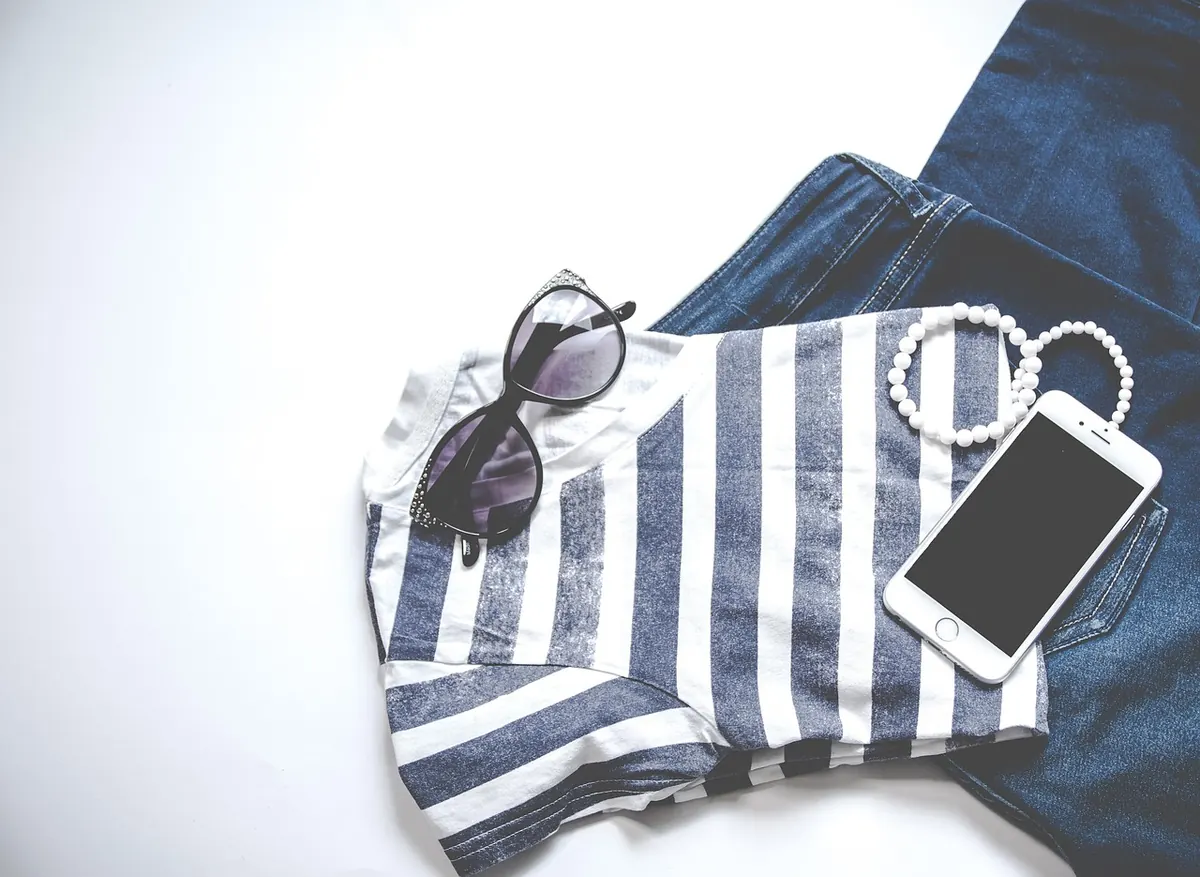
Ask five men to define smart casual and you will get five answers, usually delivered with a shrug. That vagueness is the problem: the dress code appears on wedding invitations, restaurant websites and office memos, and it is the one most people get wrong. The good news is that smart casual has a logic to it. Once you understand the two or three pieces doing the heavy lifting, you can build combinations for almost any situation without buying a new wardrobe.
What Smart Casual Actually Means
Smart casual sits between business formal and weekend casual. It borrows the polish of a suit without the suit, and the comfort of jeans without the sloppiness. Think of it as one deliberate step up from what you would wear on a Saturday, with everything clean, fitted and intentional.
The unwritten rule: at least two elements should read as dressed up, while the rest stay relaxed. A blazer over a plain tee and dark jeans. A crisp shirt with chinos and clean minimal sneakers. If every piece is casual, you are underdressed. If every piece is formal, you have missed the brief and will look like you wandered in from a job interview.
Context decides the rest. Smart casual at a creative studio is not the same as smart casual at a countryside restaurant. Ask what the room will look like. If most people will be in collared shirts, wear one. If most will be in knitwear and jeans, a blazer might be a touch much.
The Ground Rules Worth Remembering
- Fit beats brand. A well-cut inexpensive shirt looks better than a designer one that pulls at the buttons.
- Two focal points, maximum. A patterned shirt and patterned trousers compete. Let one piece lead.
- Shoes carry the outfit. Worn-out trainers or scuffed leather undo everything above the ankle.
- Iron, lint-roll, tuck. Wrinkles read as carelessness, not nonchalance.
- Dark denim, no rips. Indigo or black with a clean finish. Distressing stays on the weekend.
- Knitwear is your ally. A fine merino crew neck or a quarter-zip over a collared shirt handles almost any temperature and dress code.
10 Smart Casual Outfit Examples
For the Office
- Navy blazer, white oxford shirt, grey chinos, brown leather loafers. The template. It works in almost any office that allows jeans but still expects effort.
- Charcoal merino crew neck over a light blue shirt, dark jeans, derby shoes. Softer than the blazer version. The collar showing at the neckline keeps it smart.
- Light grey unstructured blazer, plain white tee, black jeans, white minimal sneakers. Best for creative workplaces. The blazer adds structure, the tee keeps it relaxed.
- Fine-gauge quarter-zip, tailored navy trousers, suede chukka boots. A clean option for days with meetings and no time to change afterwards.
For Dinner
- Dark shirt, black slim trousers, leather Chelsea boots. Moody and simple. Keep the shirt tucked and the fabric matte rather than shiny.
- Navy suit jacket worn open over a grey knit polo, stone chinos, monk-strap shoes. It reads as someone who owns a suit and knows when not to wear the whole thing.
- Blue-and-white striped shirt, olive chinos, dark brown loafers, belt matched to the shoes. Classic, quiet, and forgiving if the restaurant turns out warmer than expected.
For Dates
- Black fine-knit sweater, dark grey trousers, white leather sneakers. Needs no explanation and photographs well. The monochrome keeps it sharp.
- Denim jacket or overshirt over a plain tee, tapered dark jeans, suede sneakers. Good for drinks or a casual bar where a blazer would look overdressed.
- Olive or beige overshirt, white tee, dark jeans, brown boots. The safest version of effortless. Add a simple watch and stop there.
Small Details That Decide Whether It Works
Length and break. Trousers should meet the shoe with a slight break in the fabric, not pool on top of it. A blazer sleeve should show around half an inch of shirt cuff. Button a jacket at the top button only, or leave it open entirely.
Colour. Build around three colours: a base (navy, grey, olive, black), a neutral (white, stone, cream) and one accent. This is why a navy blazer, white shirt and grey trousers never really fails.
Accessories. One watch, one belt, one bag. Your belt should match your shoes in tone rather than exactly. Skip the pocket square unless the occasion is genuinely formal.
And test the outfit seated. Sit down, cross your legs, reach for a glass. If buttons pull or the shirt rides up, the fit needs adjusting, not the outfit replacing.
A Practical Way to Start
You do not need ten outfits. Build three and rotate them.
- The work set: navy blazer, two shirts, grey chinos, dark jeans, brown loafers, white sneakers.
- The dinner set: a dark fine-knit sweater, black trousers, Chelsea boots.
- The easy day: overshirt, plain tee, dark jeans, boots.
From those pieces you can dress for an office, a restaurant, a date or a long flight, and move between them with a single change of shoes or layer. When in doubt, dress one notch above the room and carry confidence rather than apologies. Smart casual is not a costume. It is a small set of pieces that fit, that you can rely on without thinking, and that let you get on with your day.
Photo: Ylanite / Pixabay